
Changing the furniture can greatly refresh the look of the kitchen and bathroom, but if the tiles look old-fashioned, you won’t get the result you want. Would you like to update them without much effort and not spend too much money? Tile paint is a great DIY choice, simple to use, to style as you like.
What tile paint do I need to repaint my kitchen and bathroom?
In stores that focus on paints and large DIY centers, you can find special paints for covering tiles. These are enamels that are known for their strong adhesion and durability in the finish. Their formulas (which result in flexible paints) provide a consistent finish that shows no marks.
Moreover, since tile coverings are usually located in places where water is often present, these paints are resistant to moisture and direct water contact, including tile enamels and kitchen and bathroom tiles, like de Bruguer, Enamel for Tiles, from Titan; or Majestic Radiant, by Jotun.
More and more people are overcoming the fear of painting to update their kitchen or bathroom, and brands are creating tile paints in very trendy colors with glossy, matte, and satin finishes. A suggestion: the glossy finish is the least subtle when it comes to showing flaws.
10 tips for decorating your bedroom with lightsYou might have heard of chalk paint, which works well on almost any surface. However, you should know that the only chalk paint that can be applied to tiles is Authentic’s Versante line, as it holds up against moisture.
Besides the glaze, in some situations a base primer will be needed, which should be applied to the tiles before painting to guarantee adhesion, along with a joint marker, a pen for touching up the joints between the tiles, like a putty, as a final touch.
Current colors for the renovation of environments
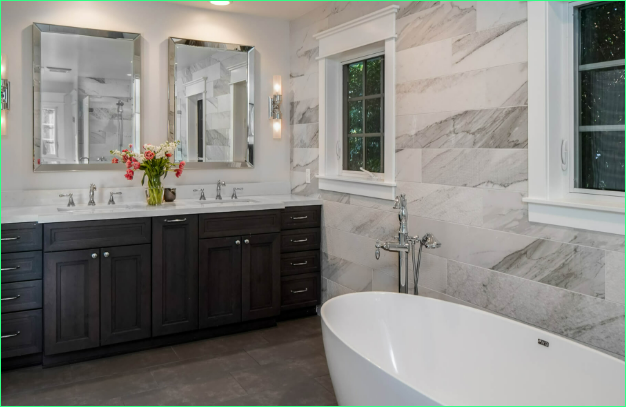
White is king par excellence, but it is no longer the only color on kitchen and bathroom walls. Many of these rooms combine white with other colors. Tile paints are available in neutral colors and in the most current colors, according to trends.
 15 ideas for decorating your home with indoor plants
This way you can combine areas, paint the tile base in one color and paint the wall in another (or put wallpaper, except for the shower area, of course), opt for neutrals and paint the color of the vanity unit, simply renewing the tiles in the shower area… Of course there are colors that you would never have imagined the bathroom in, for example pink. See how beautiful it can be here. Perfect for a chic toilet.
Types of tile paint: acrylic and synthetic
Acrylics are water-based paints. Their finish isn’t very shiny, but they can be washed and resist stains. They take longer to dry compared to synthetics and do not turn yellow. Because they have no solvents, you will avoid strong smells while using them. Brushes and rollers can be cleaned with water.
Synthetics are oil-based paints that give a glossier final look. They dry quickly and resist moisture. You will need turpentine or a solvent to clean the brushes and rollers after use.
Applying paint to the tile
Before beginning the renovation, it is very important to ensure the surface is free from grease and properly cleaned. Simple soap and water work well for cleaning. Pay close attention to the grout lines, which must remain clean. It dries perfectly.
30 ideas for opening the kitchen to the living roomBefore you begin painting: Protect the floor and toilet with plastic to avoid splashes. Also, keep in mind that to finish the remodel of the kitchen or bathroom, you can put a vinyl floor over the one you already have.
According to the paint manufacturer’s instructions, you will need to apply a layer of primer or fixative, which helps the paint bond better to both the boards and the joints. Once dry, apply the tile paint with a brush or roller. Respect the drying time between one layer and another before applying a second layer.
You can also top it off with a tough paint protector as a final layer. But in any case, once the paint or varnish and the protector have been applied, the kitchen or bathroom is ready for normal use. You will just have to remember, from this moment on, to clean your tiles with a sponge or soft cloth and soap and water. No aggressive or abrasive products.
¡Síguenos en Facebook para recibir nuevas publicaciones!
Seguir en FacebookLatest Posts Published

10 ways to save when you want to design a garden with a swimming pool

How to grow rose bushes at home

Sunflowers: care, how to plant them and when to water them

3 types of grills suitable for your garden or terrace

How to build a toy box at home

Ideas for furnishing your terrace with wicker furniture

10 Rustic Terraces You’ll Love

How to create beautiful and very simple floral compositions

How to cure brown leaves that appear on avocados?