
Organic foods have gained a lot of popularity because they do not have harmful substances, like pesticide traces, antibiotics, or hormones.
However, since making organic foods involves detailed methods, their costs are greater than regular ones. Also, not all organic foods are automatically healthier than normal foods.
Learn more about these items and which ones are worth purchasing.
What does organic mean?
Organic or organic products are characterized by the following aspects:
15 Modern Japanese Houses: Interior and Exterior Decorating Ideas- They do not contain synthetic pesticides. They may contain pesticides derived from natural substances and organic herbicides.
- Pests are kept under control with the help of traps or birds. Weeds are removed manually and crop rotation is practiced.
- The animals do not receive growth hormones and genetically modified organisms, but only organic food.
- The animals are not treated with antibiotics. Animal diseases are prevented with natural methods, such as strict hygiene measures and nutritious food.
- Vegetables are grown with natural fertilizers such as compost, not artificial fertilizers. (1)
How do you choose organic food?
The authentically organic products, which contain over 95% of ingredients of ecological origin, are eco certified by the competent bodies. You can verify its certification by examining the packaging. It must contain the official EU eco-logo, accompanied by a code indicating the control body and place of origin.
When it comes to online shopping, buy organic foods from reputable websites that provide product certification information, for example Obio.ro.
Which organic foods should you opt for?
If the budget allows, it is worth including the following foods in the organic version in the diet:
1. Vegetable products
Common fruits, vegetables and grains contain synthetic pesticide residues, which have been shown to be harmful to your health. In addition to the fact that organic ones do not contain these substances, some studies have shown that they are more nutritious than conventional ones. They can contain up to 69% more antioxidants. They would also be slightly richer in zinc, vitamin C and iron (2).
Design ideas for a small terraceFurthermore, research has shown that the organic crop contains 30% less nitrates than the conventional one. A high level of nitrates is associated with the risk of cancer and methemoglobinemia, a condition of the child characterized by the inability to use oxygen (2).
3. Algae
As for marine algae, such as spirulina, chlorella, nori, it has been shown that they can contain large quantities of heavy metals, such as cadmium or mercury. This is why it is advisable to opt for the organic version (3). you can order organic chlorella from Obio.ro.
4. Products of animal origin
Organic meat, milk and eggs are richer in Omega-3 fatty acids, a type of healthy fat, due to the animals’ diet of alfalfa and grass (4). Furthermore, you can be sure that they do not contain hormones and antibiotics.
Careful! Not all organic foods are healthy. Processed ones, such as chips, candy, juice or others, are low in nutrients and high in calories, despite their “organic” label. For a healthy life, make sure you follow a balanced and varied diet, which excludes industrially processed foods!
Small ideas for furnishing your bathroomTherefore, some foods in the organic version deserve to be included in the diet. Even so, you have to take care of the quality of the diet as a whole.
¡Síguenos en Facebook para recibir nuevas publicaciones!
Seguir en FacebookLatest Posts Published
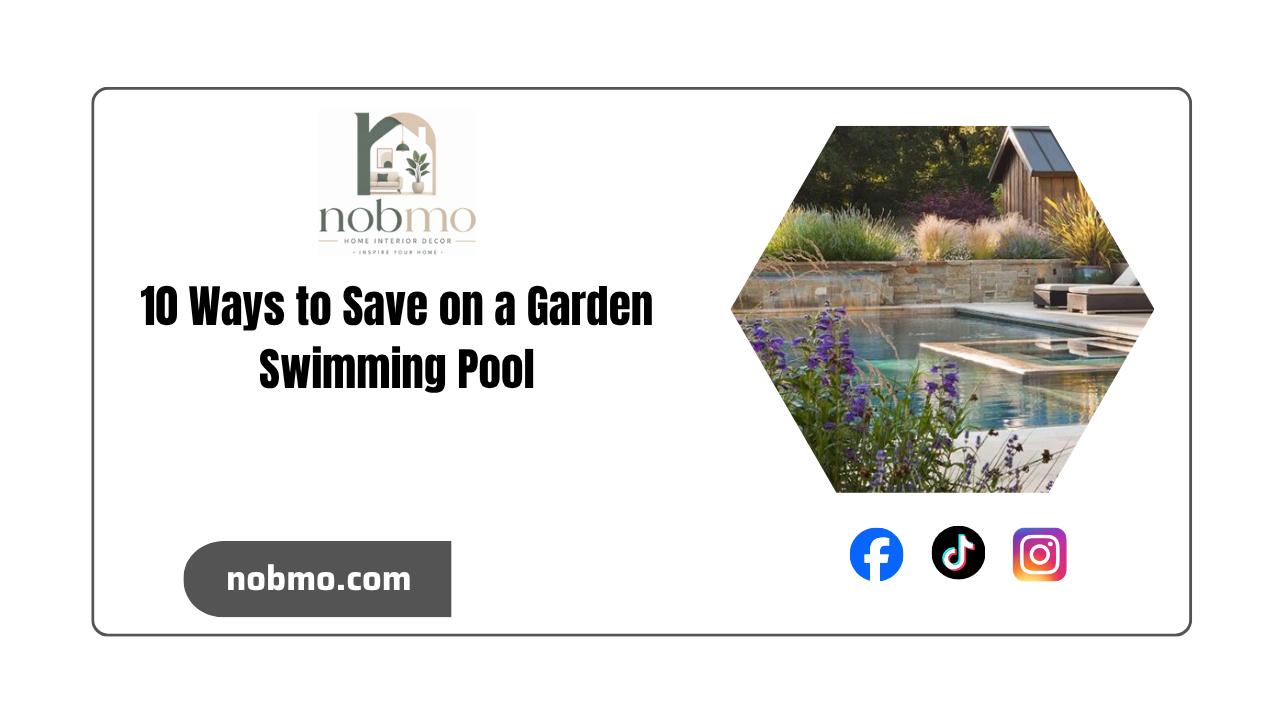
10 ways to save when you want to design a garden with a swimming pool

How to grow rose bushes at home
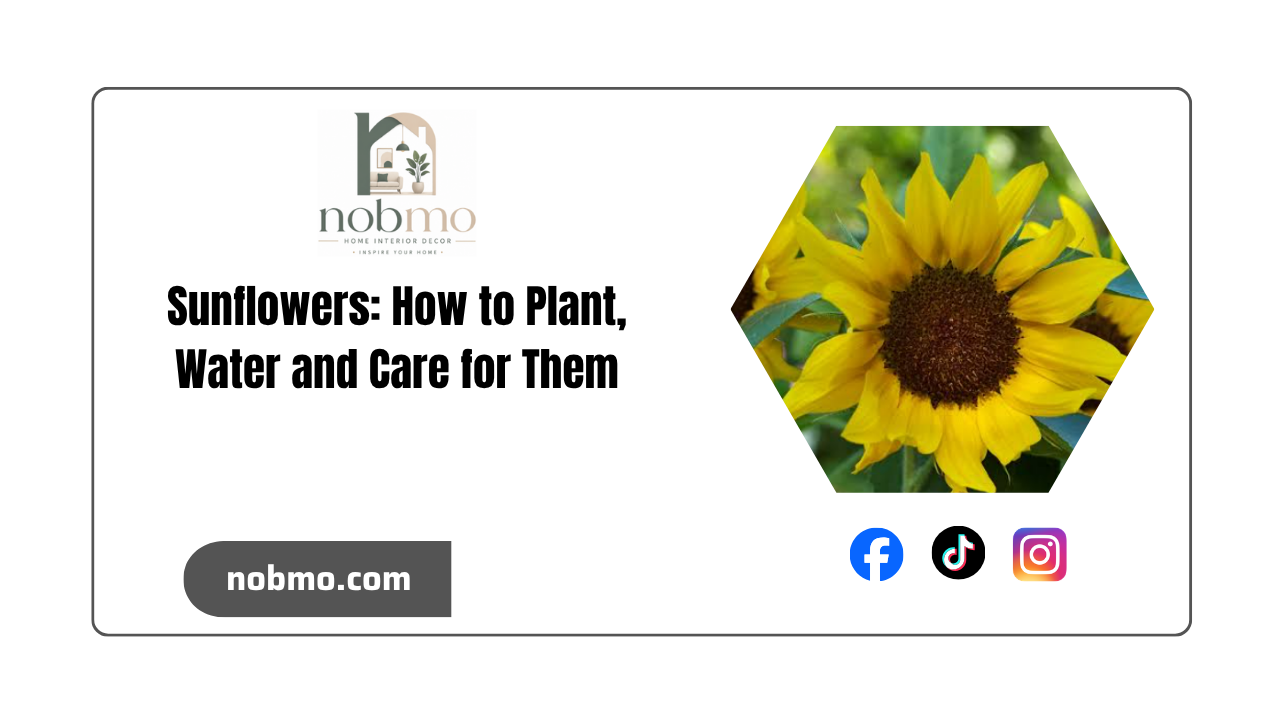
Sunflowers: care, how to plant them and when to water them

3 types of grills suitable for your garden or terrace

How to build a toy box at home

Ideas for furnishing your terrace with wicker furniture

10 Rustic Terraces You’ll Love
How to create beautiful and very simple floral compositions
How to cure brown leaves that appear on avocados?