Reconnecting with our homes, for example, is part of that change caused, among other things, by periods of isolation. We want, or rather we need, to experience the home better, to connect with the emotional part of spaces, to enjoy them. We definitely need to go a little slower. And in this context Slow Design makes more sense.
An interior designer specializing in Slow Design, he defines it as “an accumulation of personal actions and decisions that, over time, discovers another way of designing and living in which sharing life with those around you becomes something fundamental.” The professional herself states that her life philosophy is also her work philosophy.
I have been a vegetarian and a consumer of organic products for many years. Some time ago I discovered the slow food movement, which was born in Italy, when it was starting to find followers here.
Slow-food and ecology in food have a lot to do with each other. In both cases you dedicate the necessary time to cultivation – without chemicals – and cooking to enjoy the culinary experience.
The slow movement is applicable to all aspects of life: slow living, slow planning, slow education, slow work, slow cities… In the world, for example, there are already more than 90 slow cities, which means they have more green areas, more benches for fun and rest, more spaces for social relations with neighbors, more pedestrian streets. I am lucky enough to be able to live for several years in one of these, very close to the sea.
The question is: do you discover movement and automatically become slow? No. Adaptation is also slow, that is, slow.
Slowly introduce small changes into your daily life, such as getting up a little earlier to have breakfast with your children; organize your trips as best as possible to also enjoy waiting times at the airport (even if it seems impossible!); look for moments of inspiration on your own… In reality it’s about enjoying every moment with full awareness and, thus, stimulating yourself to be more creative and productive.
Once we know what slow living is, another question arises… and how does it apply to interior design? What does it mean to be a slow designer? Working as an interior designer allows you to get to know people beyond a simple commercial exchange, because you have to put yourself in their shoes. This is the only way we can make them a suitable design.
Working according to the slow design philosophy means dedicating the necessary time to each project, to each process, without rushing, to enjoy the design experience and be well aware that a project aimed at increasing the client’s well-being is being created.
At the same time, slow design is particularly attentive to the environment in the choice of materials and in the production process, leaving the noise pollution or visual fatigue of the city on the other side of the door and favoring openness, brightness and a bit of overhead.
And what does slow design look for in a home? Above all, environments that encourage interaction, dialogue, teamwork and family fun. Spaces that connect to each other, paying particular attention to the common areas. We strive for a design that makes you turn off the TV, read a book, chat or simply reflect. A space where time stops.
Here the word slowly loses its pejorative meaning. In our studio we understand slowness as an important stop to feel, savor, delight, appreciate the simplest emotions and enjoy the here and now. Slow, in design, means sharing a project with the customer that allows interaction and experience. Design goes from being a profession to being a reaction: we design to dream, think and act.
To conclude, these are some of the keys to Slow Design:
- Slow Design proposes to design first for people and then for marketing. That is, the objective is to satisfy real needs rather than those of the market.
- He prefers local to global design, emphasizing the recovery of vernacular knowledge and local craftsmanship in an attempt to connect with cultural roots.
- Seek socio-cultural benefits and well-being. His goal is to design objects that last in every sense: physical, cultural, emotional, mental…
- It aims to be a restorative design, which regenerates the damaged environment. It is about reducing energy consumption and using renewable sources as much as possible, using fewer materials, so that they can be recycled and allow efficient recycling.
Slow design or slow living means knowing how to go at the right speed, paying attention to details. Slow design takes care of people and their environment. Slow means going back to the roots to build a more interesting future.
¡Síguenos en Facebook para recibir nuevas publicaciones!
Seguir en FacebookLatest Posts Published
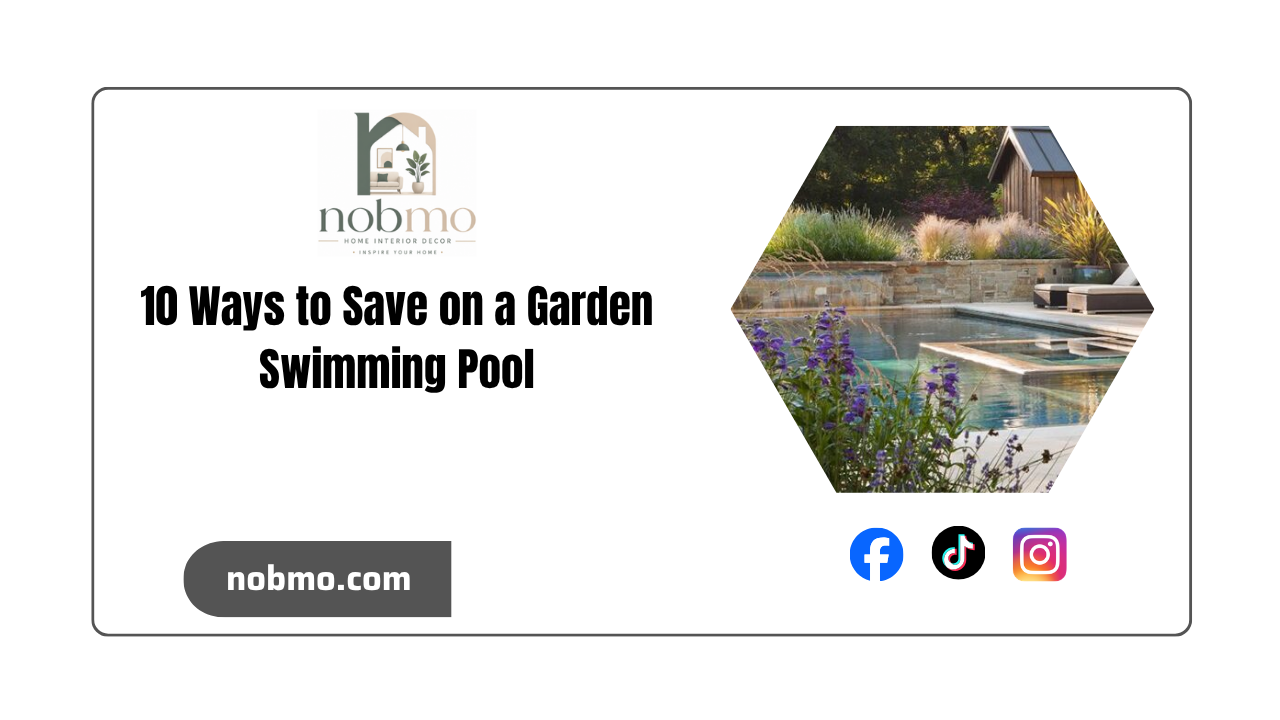
10 ways to save when you want to design a garden with a swimming pool
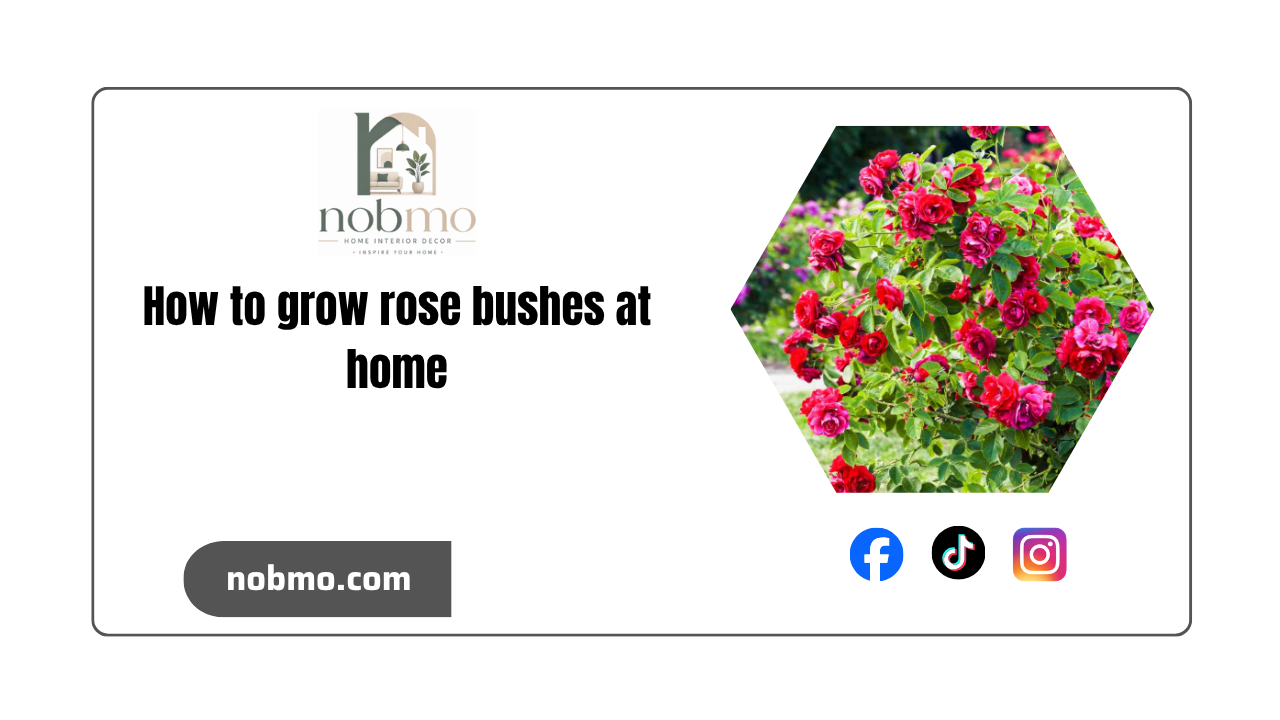
How to grow rose bushes at home
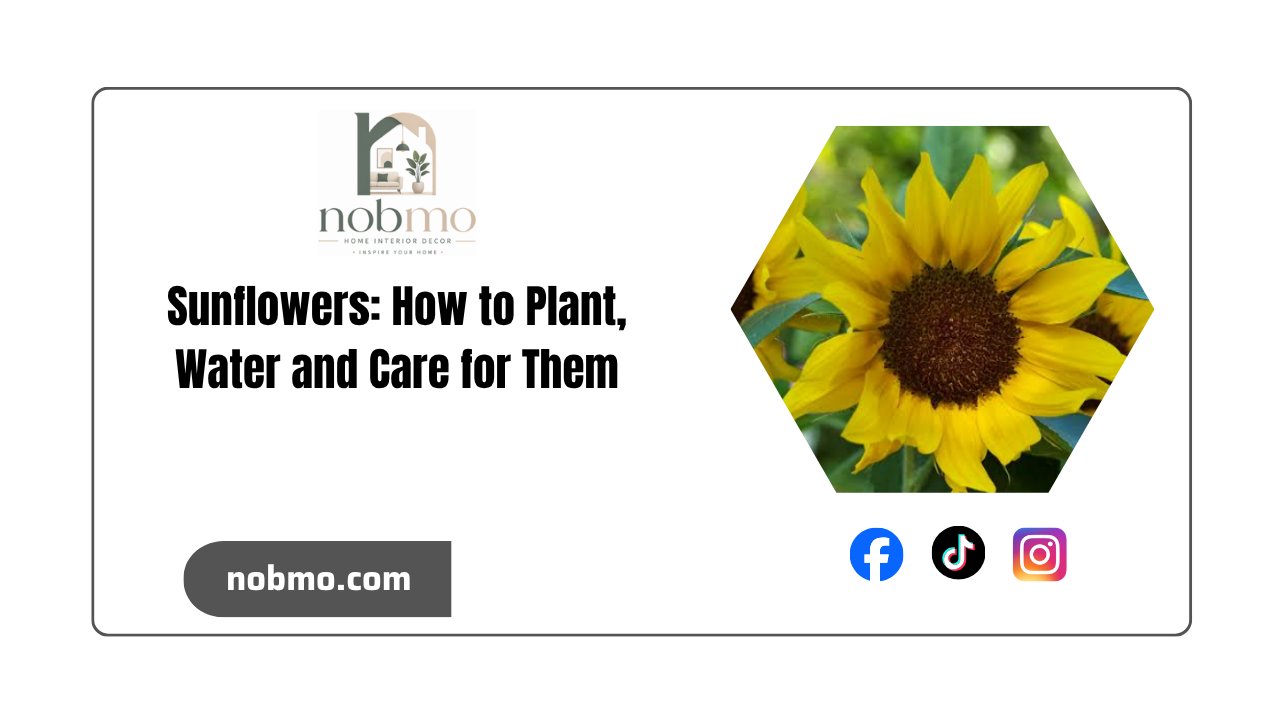
How to Grow Sunflowers: Planting, Watering and Care
3 types of grills suitable for your garden or terrace
How to build a toy box at home
Ideas for furnishing your terrace with wicker furniture
10 Rustic Terrace Ideas for a Relaxing Outdoor Space
How to create beautiful and very simple floral compositions
How to cure brown leaves that appear on avocados?